
The Hidden Liability: Why Physical AI Integration is a Financial Risk
The current marketing push for Physical AI is being sold as the next frontier of manufacturing efficiency. Vendors are pushing autonomous robotics, adaptive vision systems, and machine learning driven controllers as turnkey solutions. However, a significant gap is emerging between this sales pitch and the operational reality of the plant floor. This is not just a training issue. It is a major risk to your bottom line and operational stability.
The Automate Disconnect
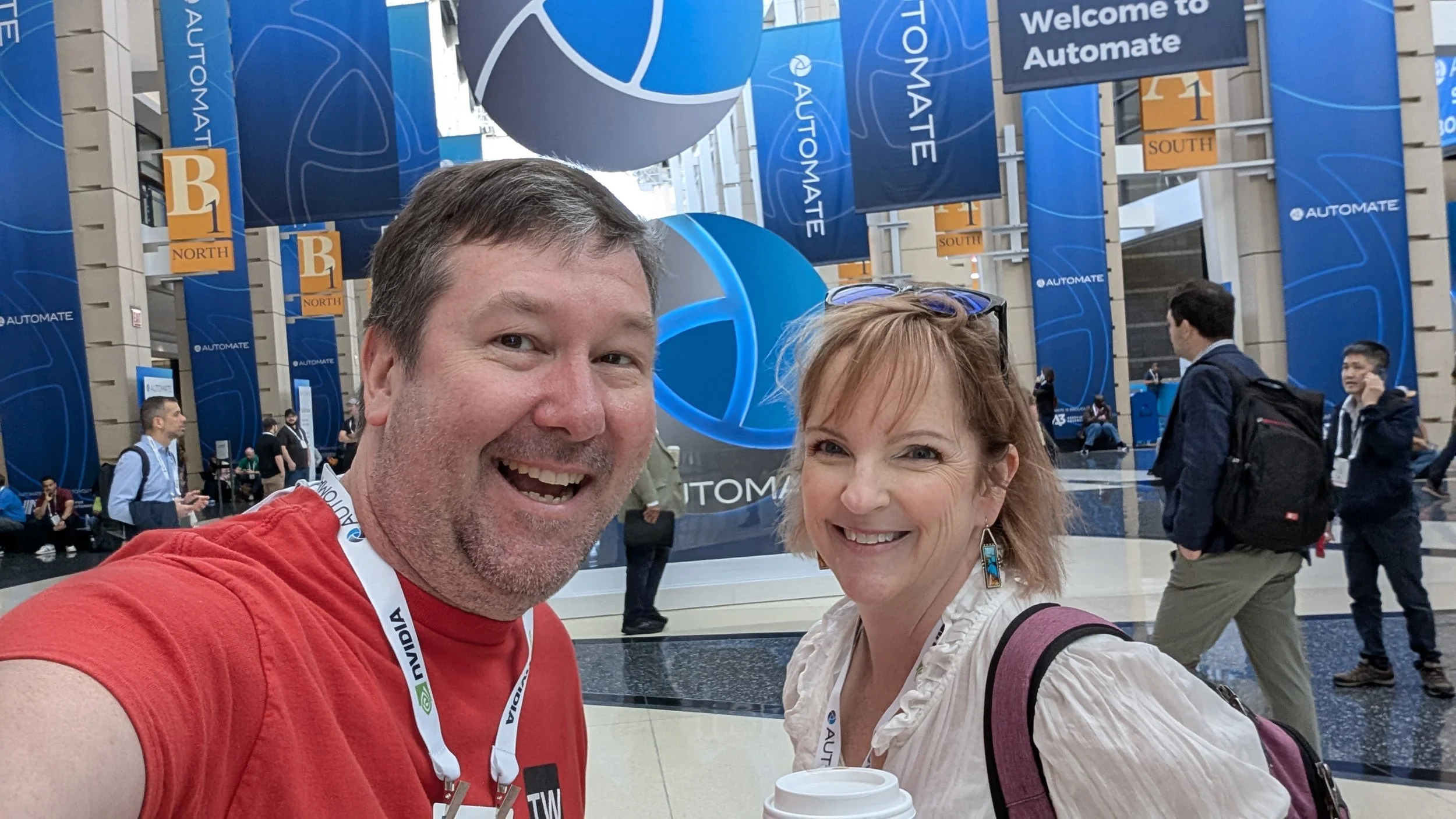
I recently attended Automate and asked several vendors pitching Physical AI how they plan to equip the internal plant workforce to troubleshoot their systems. None of them had a viable answer. Most pointed to the fact that their AI agents would perform the troubleshooting, claiming there would be no need for human intervention.
This logic is fundamentally flawed. If the AI agent breaks, you cannot ask the AI agent to fix itself. When I pushed one vendor on this point, they suggested that they should simply write an AI agent to replace me, and that would be the end of the story. Maybe they should. I cannot live forever, and it is important that the skills of our current technicians get passed on to the next generation, but that does not address the issue. If the technicians inside the plant cannot troubleshoot this new technology, the systems are bound to fail. When they do, the industry will claim there is a "Workforce Skills Gap." This is inaccurate. It is not a skills gap; it is a gap in our long term vision.
PLCs were designed to replace relay logic, but every PLC technician still needs to understand relays. This technology will be no different. We will not eliminate the skills that are needed; we will add new skills that are required to keep our plants running.
The Black Box Cost of Ownership
Producers of Physical AI are delivering technology as proprietary, black box solutions. While these systems promise autonomous optimization, they often lack the diagnostic transparency required for frontline maintenance. When a system relies on opaque AI logic to govern physical movement, standard troubleshooting protocols become hindered.
When these systems fail, as all physical devices do due to wear, sensor drift, and environmental degradation, the lack of accessible diagnostic data forces a reliance on vendor service calls. This creates a hidden, high cost operational burden.
Extended Downtime: Without the ability for internal teams to interpret AI driven decisions, facilities are forced to rely on external vendors to keep their plants running. This additional time penalty of 2 to 8 hours waiting for dispatch and travel directly increases costs that often reach hundreds of thousands of dollars per hour.
The External Vendor Multiplier: Relying on external vendors for unplanned downtime is significantly costlier than using trained in-house staff. Between emergency labor rates, expedited parts, and hours of waiting for a technician to arrive, this approach can cost up to 40 times more than an immediate, in-house repair.
Let's Build a Better Path Forward
I am not anti-AI. I used AI to help smooth out the wording of this very article. I have used AI for years to vet the technical content in the videos we make for our Youtube channel, and I am actively working on ways for our workforce to use AI as a tool to troubleshoot machines.
The problem is not the technology. The problem is the lack of a plan to maintain it. If you are a Physical AI producer, reach out to me. Let’s start working on these issues now, before they become a costly liability for everyone involved. If we focus on maintainable engineering and diagnostic transparency, we can make this technology a massive win for the industry.