
The Complete Industrial Automation Guide for Manufacturing
Empowering technicians, managers, and educators with standardized training for modern control systems and workforce development.
I need to learn to program a PLC
I need to set up my hardware
I want to advance my skills
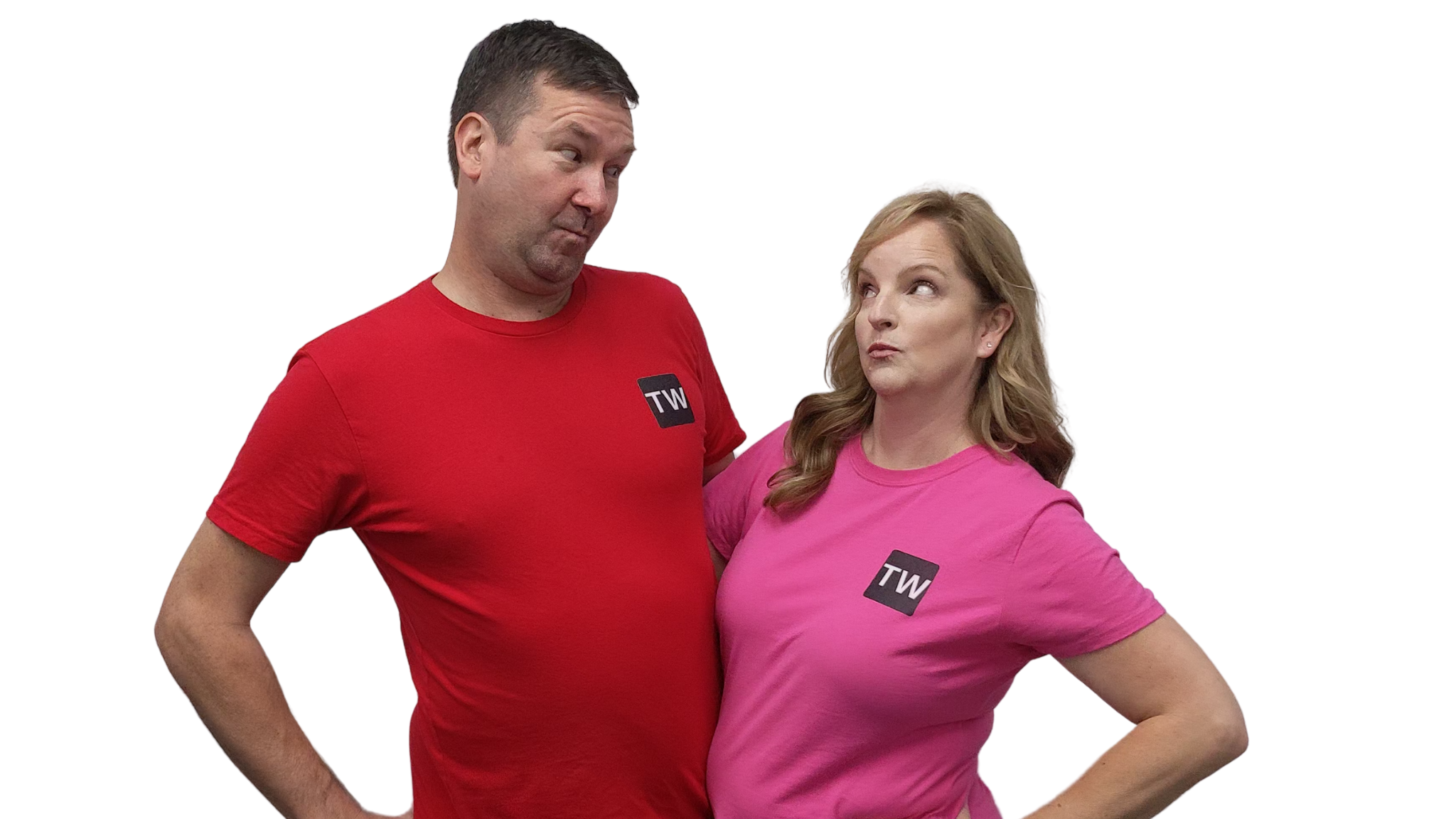
We are a husband and wife team dedicated to helping you become a better technician and building a more resilient workforce. If you’ve worked through these guides and are ready for hands-on instruction, join us in Roanoke for a training class.
Educator & Stakeholder FAQ
-
If you are just beginning your career, we recommend starting with our Career Path Roadmap. It provides a clear, step-by-step blueprint to help you understand the skills required to move from a maintenance technician to an automation specialist, ensuring you have a solid foundation before diving into specific programming or hardware tasks.
-
Effective training is an investment in reducing unplanned downtime. We focus on the "10:1 reality" of equipment ownership, where the cost of downtime far outweighs the cost of training. Our Workforce Readiness Guide provides the ROI frameworks needed to help your leadership understand the financial impact of a skilled maintenance team.
-
Yes. Our trainers are built with genuine industrial components (Allen Bradley, etc.) and are classified as "Instructional Equipment" for Career and Technical Education (CTE). Because they align directly with industry-standard certifications and "Industry 4.0" readiness, they are typically eligible for Perkins V funding, as well as various state-level workforce development grants.
-
We understand that educational purchasing requires specific documentation and formal bids. While we do not offer discounts. as our trainers are already priced competitively to ensure schools get industrial-grade hardware at the best possible value, we do provide formal quotes to educational institutions and sole-source documentation. We work with your purchasing department to ensure the "Lab-in-a-Box" solution meets all your administrative requirements.
-
We support workforce readiness nationwide by equipping schools with the same hardware used by major manufacturers. As a husband and wife company, we cannot offer individual consultations; however, if you are local to the Roanoke area and would like us to speak to your organization, feel free to reach out.