
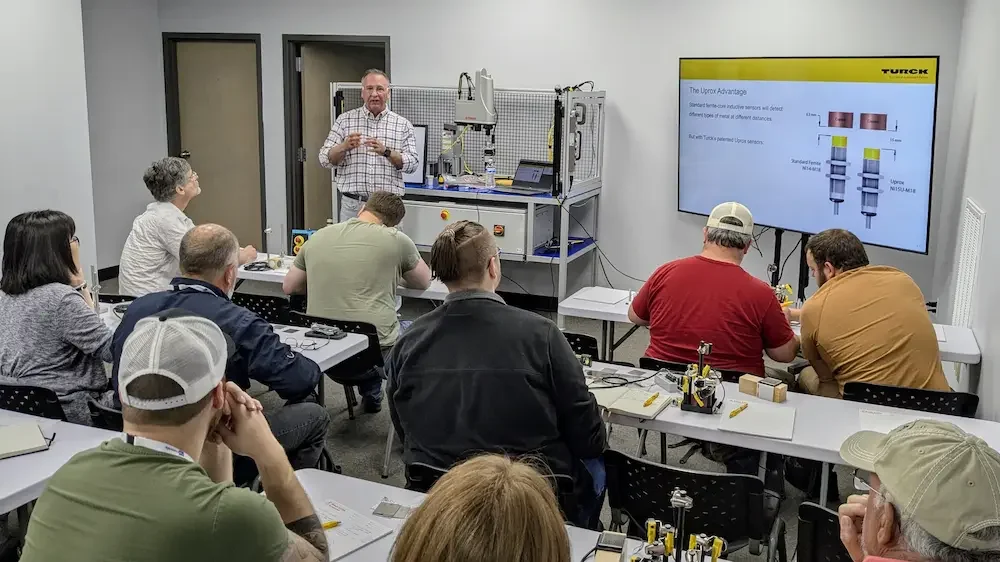
 Image 1 of 5
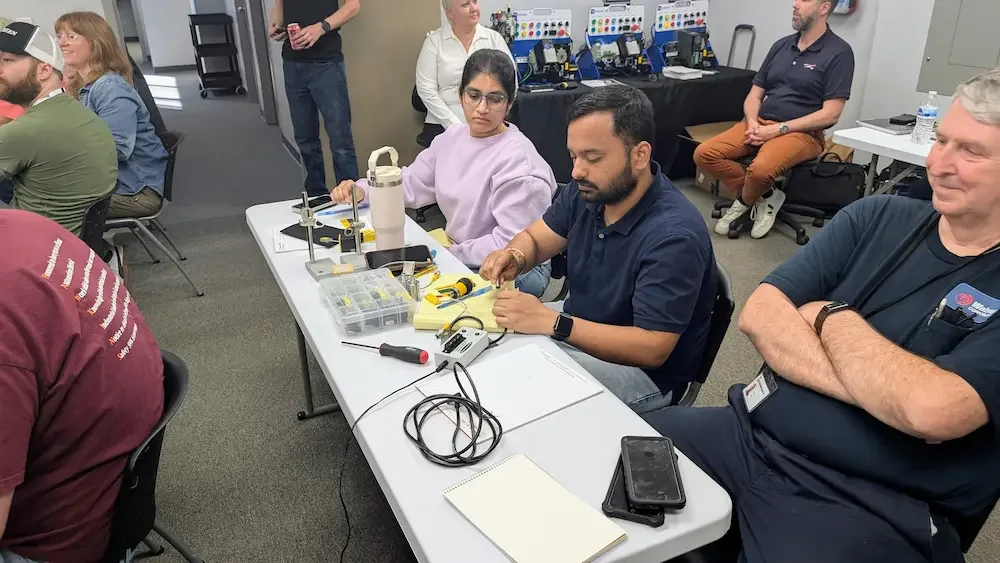 Image 2 of 5
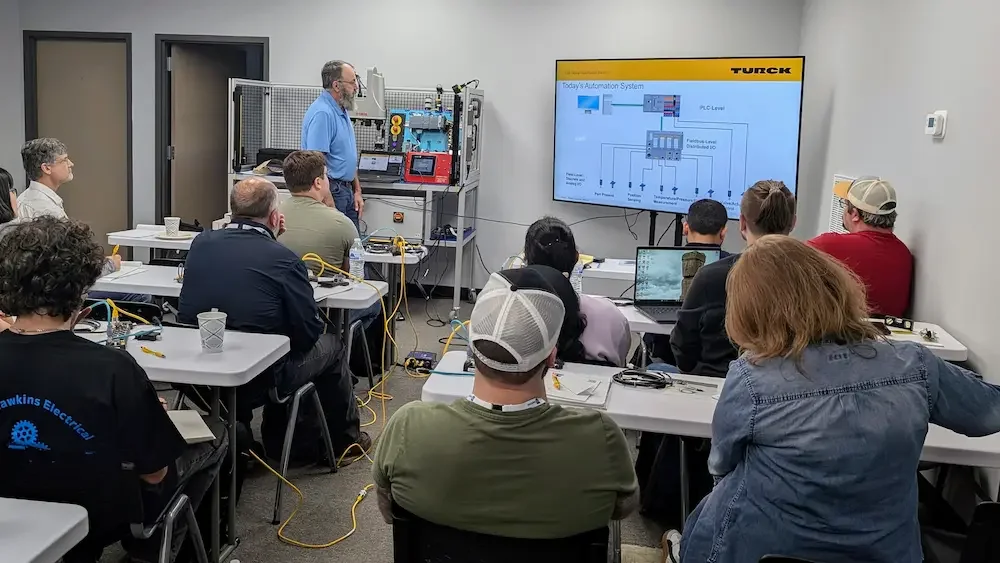 Image 3 of 5
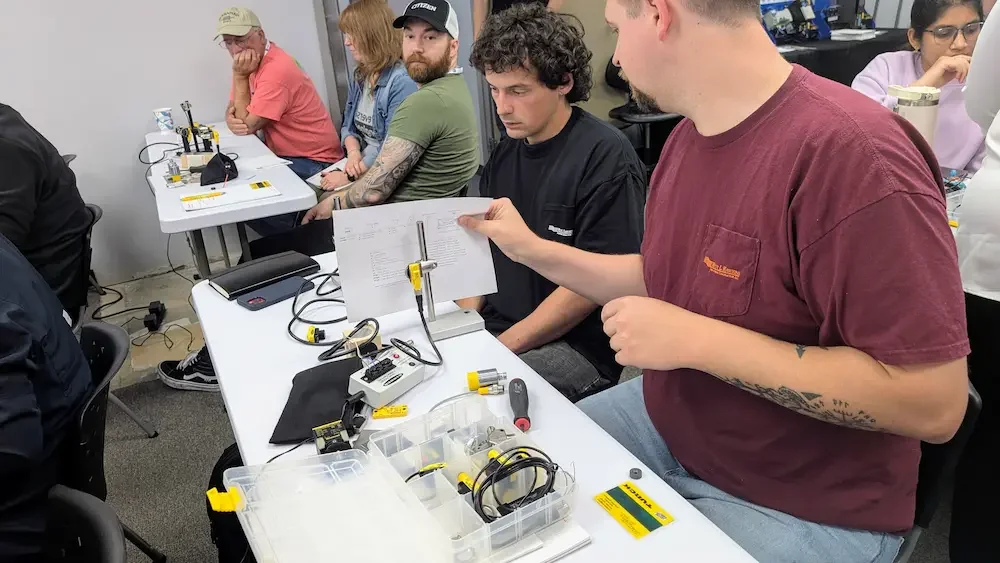 Image 4 of 5
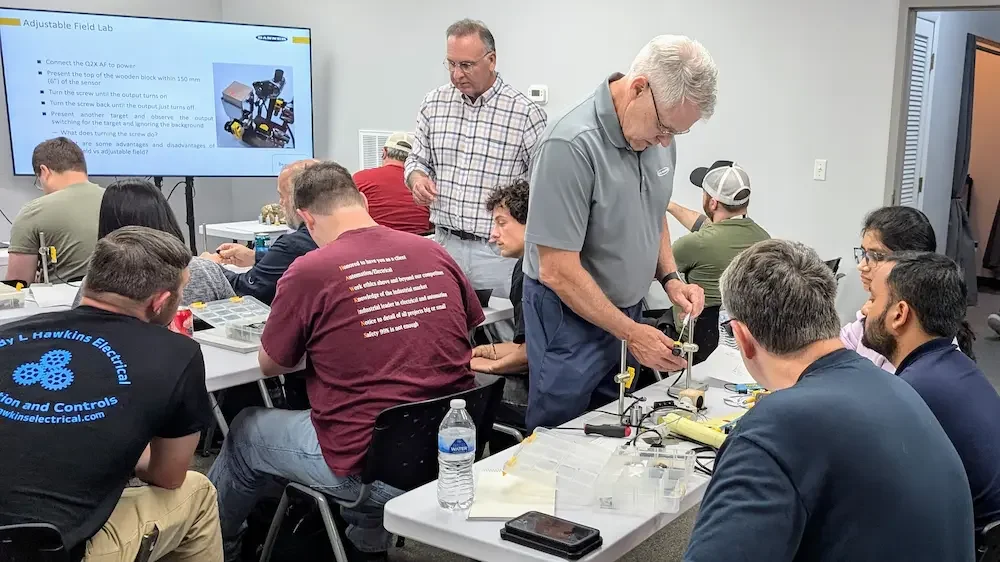 Image 5 of 5
A major focus of this training is IO-Link integration. You will explore its diagnostic capabilities, learn to leverage smart data for predictive maintenance, and implement best practices for integrating these devices into modern control systems.
Includes: Lunch is provided for all attendees.
Add-on Opportunity: The Banner DBQ5 Self-Contained Test Box ($167 value) is available for purchase with your registration. Note: Limit one DBQ5 per company.
What You Will Learn
Sensor Theory and Selection Before you can program a sensor, you have to understand the technology behind how it detects an object. You will learn the principles of operation for:
Proximity: Inductive and Capacitive.
Distance: Ultrasonic and Laser measurement.
Photoelectric: Through-beam, Retro-reflective, and Diffuse.
Wiring and Cabling Standards Physical connection is critical for system reliability. We cover:
Discrete Wiring: NPN and PNP sensors to standard PLC input cards.
IO-Link Connectivity: Using M12 "A-coded" connectors and unshielded 3-wire cables.
Pinouts: Identifying standard wire colors for 3-wire and 4-wire DC sensors.
Selection & IO-Link Fundamentals Learn a systematic approach to choosing the right tech and understanding the architecture:
Selection Criteria: Target material, environment, and precision requirements.
Architecture: How the IO-Link Master acts as a gateway between field devices and the PLC.
Data Types: Process data, parameters, and diagnostic events.
Allen-Bradley Integration Specific steps to bring IO-Link data into the Logix environment:
Studio 5000 Config: Adding IO-Link Masters to the I/O configuration.
IODD Files: Importing files to generate descriptive tags automatically.
Automatic Device Configuration (ADC): Setting up the PLC to auto-configure replacement sensors.
Logic: Writing code for health monitoring and internal device temperatures.